

The Importance of Pet Pee Pads for Pets: A Comprehensive Guide
As pet owners, we strive to provide the best care for our furry companions. One essential item that often comes into play, especially for indoor pets, is the pet pee pad. These absorbent pads serve a crucial role in maintaining hygiene and comfort for our pets, but how important are they really? In this article, we will explore the significance of pet pee pads, their benefits, and how they can enhance the quality of life for both pets and their owners.
Understanding Pet Pee Pads
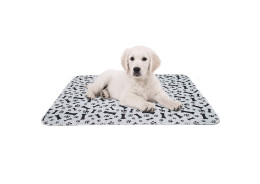
Pet pee pads, also known as training pads or puppy pads, are specially designed absorbent pads that are used to train pets to urinate in a designated area. They are typically made from multiple layers of materials that can absorb liquid, control odors, and prevent leaks. While they are most commonly associated with puppies, they can also be beneficial for older dogs, cats, and pets with medical conditions.
The Role of Pet Pee Pads in Training
One of the primary uses of pet pee pads is to assist in house training. Puppies, in particular, have small bladders and may not be able to hold their urine for extended periods. By providing a designated area for them to relieve themselves, pet pee pads can help prevent accidents in the house and make the training process smoother.
When introducing a puppy to pee pads, it is essential to place them in a consistent location. This helps the puppy associate the pad with the act of urination. Over time, as the puppy learns to use the pad, owners can gradually transition them to outdoor potty training. This method not only aids in training but also fosters a sense of security for the puppy, knowing they have a safe space to relieve themselves.
Benefits of Using Pet Pee Pads
Convenience for Indoor Pets: For pet owners living in apartments or homes without easy access to outdoor spaces, pee pads provide a convenient solution for indoor pets. They allow pets to relieve themselves without the need for frequent outdoor trips, especially during inclement weather.
Hygiene and Cleanliness: Pet pee pads are designed to absorb liquid and control odors, making them an excellent choice for maintaining cleanliness in the home. They can be easily disposed of and replaced, reducing the risk of lingering smells and stains on carpets or floors.
Assistance for Senior Pets: Older pets may experience incontinence or have difficulty going outside due to mobility issues. Pet pee pads can provide a reliable option for these pets, allowing them to relieve themselves comfortably and without stress.
Travel-Friendly: When traveling with pets, finding a suitable place for them to relieve themselves can be challenging. Pet pee pads are portable and can be used in cars, hotels, or other temporary accommodations, ensuring that pets have a designated area to go.
Medical Needs: Pets recovering from surgery or those with certain medical conditions may require a more controlled environment for urination. Pee pads can help manage their needs while they heal or adjust to their condition.
Choosing the Right Pet Pee Pad
When selecting a pet pee pad, there are several factors to consider to ensure you choose the best option for your pet:
Size: Pet pee pads come in various sizes, so it’s essential to choose one that is appropriate for your pet’s size. Larger breeds may require bigger pads to accommodate their needs.
Absorbency: Look for pads with high absorbency levels to prevent leaks and odors. Some pads are designed with multiple layers to enhance absorption and keep the surface dry.
Odor Control: Many pee pads come with built-in odor control features, such as activated charcoal or special fragrances. These can help keep your home smelling fresh.
Non-Slip Backing: A non-slip backing can prevent the pad from sliding around, ensuring that it stays in place when your pet uses it.
Eco-Friendly Options: For environmentally conscious pet owners, there are biodegradable pee pads available that are made from sustainable materials.
Tips for Successful Use of Pet Pee Pads
To maximize the effectiveness of pet pee pads, consider the following tips:
Positive Reinforcement: When your pet uses the pee pad, reward them with praise or treats. Positive reinforcement encourages them to continue using the pad.
Consistency: Place the pee pad in the same location consistently. This helps your pet understand where they are supposed to go.
Regular Replacement: Change the pee pad regularly to maintain hygiene and prevent odors. Most pads are designed for single use, but some can be used for multiple urinations before needing replacement.
Gradual Transition: If you plan to transition your pet from pee pads to outdoor potty training, do so gradually. Start by moving the pad closer to the door and eventually outside.
Monitor Your Pet: Keep an eye on your pet’s behavior. If they seem to be avoiding the pad or having accidents, it may be time to reassess their training or the pad’s placement.
Conclusion
Pet pee pads play a vital role in the lives of many pets and their owners. They provide a convenient, hygienic, and effective solution for indoor potty training, especially for puppies, senior pets, and those with medical needs. By understanding the importance of pet pee pads and how to use them effectively, pet owners can create a comfortable and clean environment for their furry friends.
In summary, pet pee pads are not just a temporary solution; they are an essential tool in responsible pet ownership. By investing in quality pee pads and implementing proper training techniques, pet owners can ensure their pets have a safe and designated space to relieve themselves, ultimately enhancing the bond between pet and owner. Whether you are a new pet parent or a seasoned owner, incorporating pet pee pads into your routine can lead to a happier, healthier, and more harmonious home for both you and your beloved pets.


 English
 German
 French
 Russian
 Spanish
 Japanese
 Korean
 Portuguese
 Ukrainian
 Arabic
 Italian
 Afrikaans
 Albanian
 Dutch

